Being in the world, Marilou Bal, Ryu Ika, Emilie Pitoiset, Jiajia Zhang, 7.10.2026-14.11.2026, exo exo, Paris République
Marilou Bal, Everything Everywhere, 2025
Oil on canvas, 60 x 60 cm inquire
Ryu Ika, Ayahiro, Kazu, Naoki, and Pearl, 2024
Lambda print on satiné paper, framed, 20 x 30 cm inquire
Emilie Pitoiset, Inemuri (present while sleeping) 07, 2023
Inkjet print on fine art archival paper, framed, 142 x 107 cm inquire
JiaJia Zhang, How To Spend It (Attention, Collapse, Affection, Control, Absence, Circulation, Anxiety, Consumption, Afterglow), 2025
Photo transfer on canvas, label, magazine cutout, photo print, 40 x 50 cm inquire *English below*
FR.
Chaque jour, nous composons avec les différents personnages qui nous constituent : le moi intime, le moi physique, le moi en ligne, le moi social. Le réel déroule ainsi sa ligne sur laquelle nous chorégraphions nos déguisements successifs. Nous les revêtons les uns après les autres ou les uns sur les autres, non pas pour jouer ou mentir, mais simplement pour être identifié·es, reconnu·es, compris·es.
Being in the World réunit quatre pratiques attentives à nos manières d'être : dans l'espace physique et numérique, dans l'intimité de nos chambres comme dans l'espace public, dans le rapport à soi et aux autres, dans nos apprentissages et dans nos communications. À travers l’image, son pouvoir évocateur et symbolique, chacune des artistes s’intéresse à la dimension performative de l'identité : qui parle quand nous parlons, qui est réellement là dans ce que nous voyons ?
Puisant dans les codes et l’organisation des communautés, les contes populaires, les réseaux sociaux et la culture mainstream, Marilou Bal, Ryu Ika, Emilie Pitoiset et Jiajia Zhang interrogent les langages que nous empruntons et les sous-cultures que nous habitons. Elles évoquent les archétypes du clown, les représentations communes du cute et la figure de la mascotte, fantasment les reality show, reprennent l'esthétique lo-fi des années Skyblog et Tumblr, ou choisissent pour décor la poésie désabusée des malls comme lieu commun, référence et rendez-vous.
Toute cette matière constitue moins un répertoire d’images qu’une langue partagée, une trame sensible à travers laquelle s’élaborent nos désirs d’appartenance. Si être au monde implique de négocier avec des formes préexistantes, il s’agit alors de les réinvestir de l’intérieur pour en extraire le commun, ce qui fait transmission et lien. Les œuvres réunies ici relèvent de cet équilibre précaire, entre exposition et retrait, spectacle et intimité, divertissement et soin, réaffirmant l'identité comme une pratique sociale sans cesse rejouée.
– Elisa Rigoulet
EN.
Each day, we navigate the different characters that make us who we are: the intimate self, the physical self, the online self, the social self. Reality unfolds as a continuous line along which we choreograph our successive disguises. We put them on one after another, or layer them on top of each other, not in order to perform or deceive, but simply to be identified, recognized, understood.
Being in the World brings together four artistic practices attentive to the ways we inhabit ourselves: within physical and digital space, in the intimacy of our bedrooms as much as in the public sphere, in relation to ourselves and to others, through our learning processes and our forms of communication. Through the image, and its evocative and symbolic power, each artist explores the performative dimension of identity: who speaks when we speak, and who is actually present in what we see?
Drawing on the codes and structures of communities, folk tales, social media, and mainstream culture, Marilou Bal, Ryu Ika, Emilie Pitoiset, and Jiajia Zhang examine the languages we borrow and the subcultures we inhabit. They invoke the archetype of the clown, common representations of cuteness and the mascot figure; they fantasize reality television, revisit the lo-fi aesthetics of the Skyblog and Tumblr years, or choose as their setting the disenchanted poetry of the mall as a shared space, reference point, and meeting place.
Taken together, this material constitutes less a repertoire of images than a shared language: a sensitive framework through which our desires for belonging take shape. If being in the world entails negotiating with pre-existing forms, then the challenge becomes to inhabit them from within, drawing out what is held in common, what enables transmission and connection. The works gathered here operate within this precarious balance, between exposure and withdrawal, spectacle and intimacy, entertainment and care, reaffirming identity as a social practice that is continuously rehearsed and renegotiated.

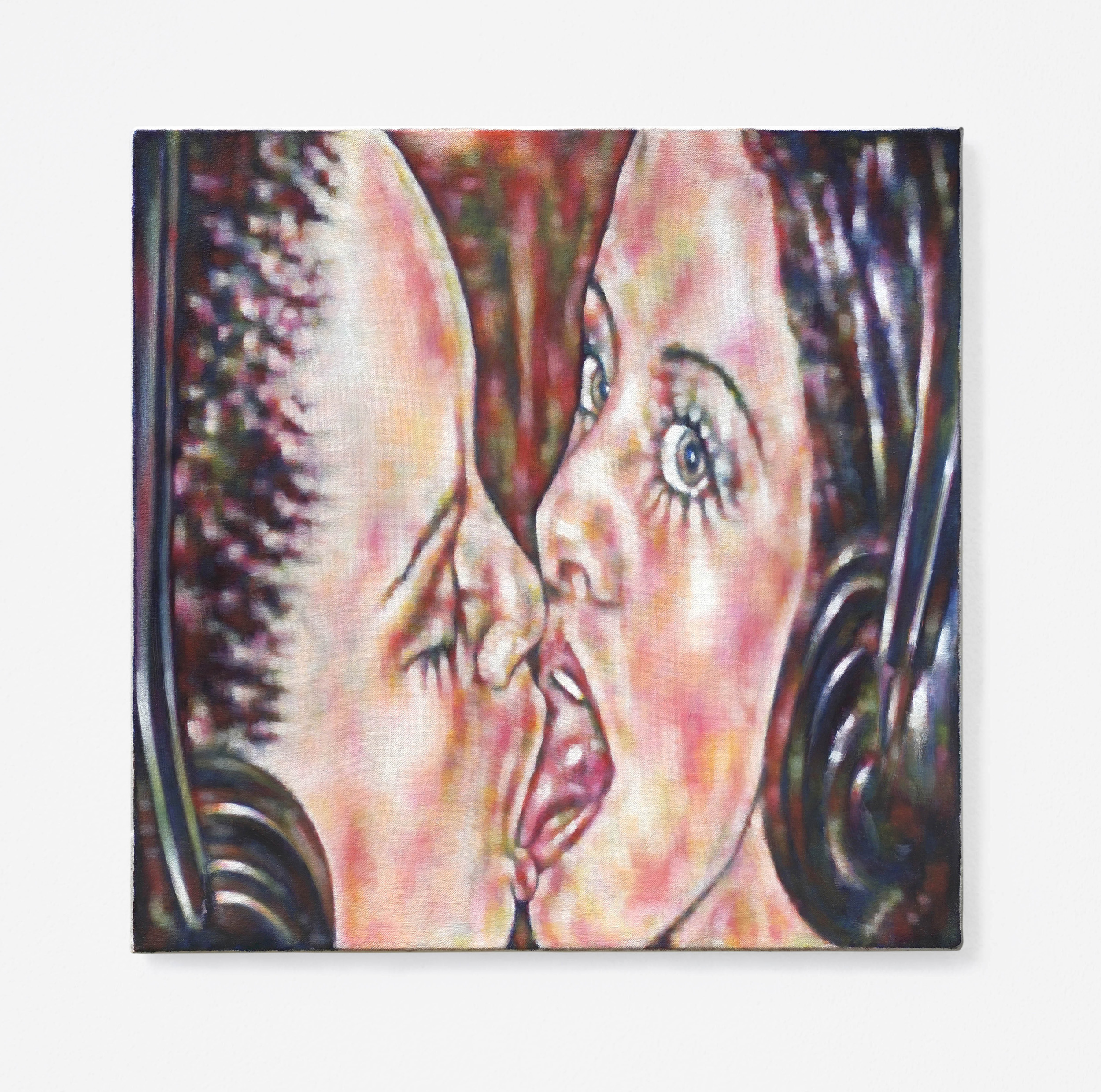 Marilou Bal, Everything Everywhere, 2025
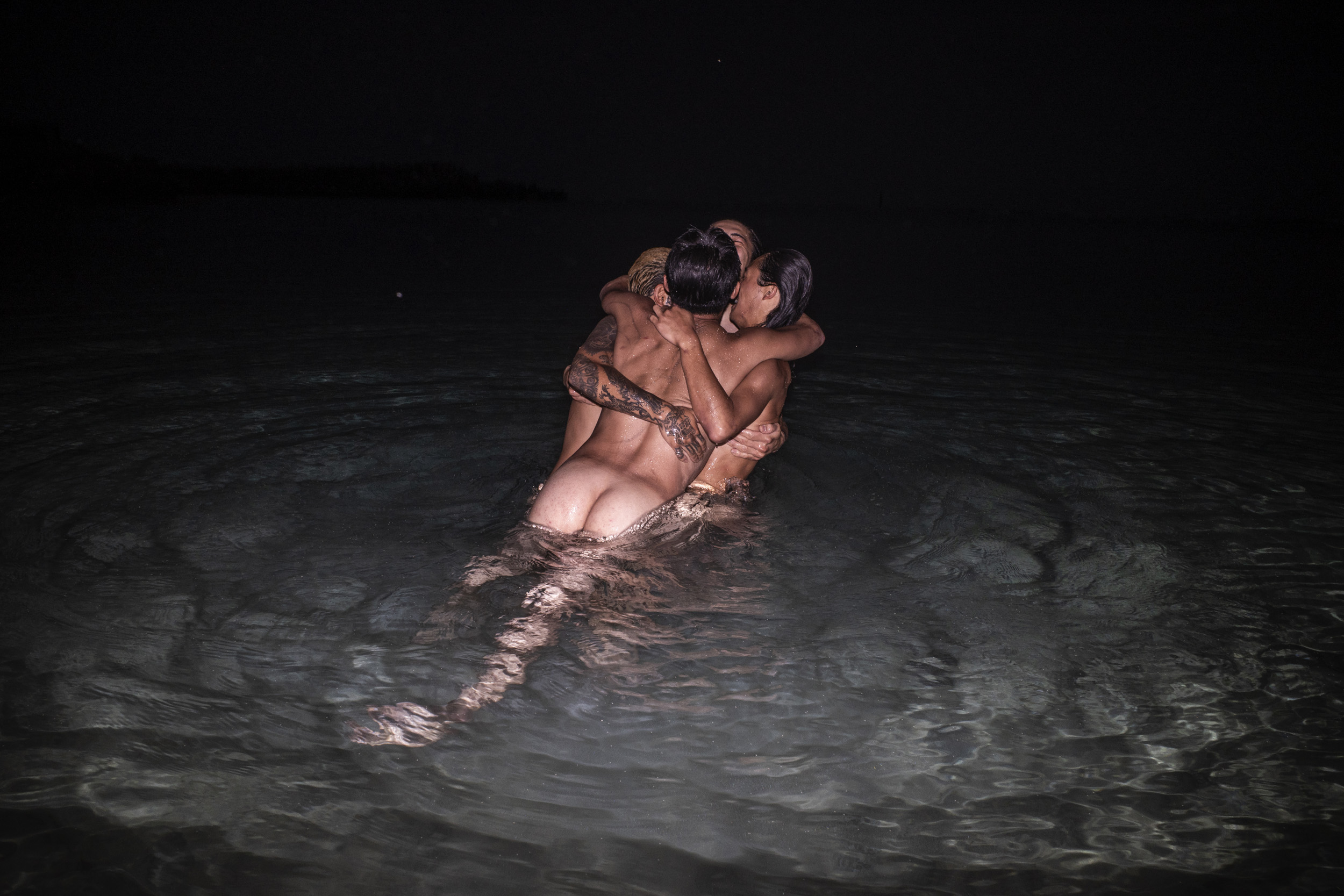 Ryu Ika, Ayahiro, Kazu, Naoki, and Pearl, 2024
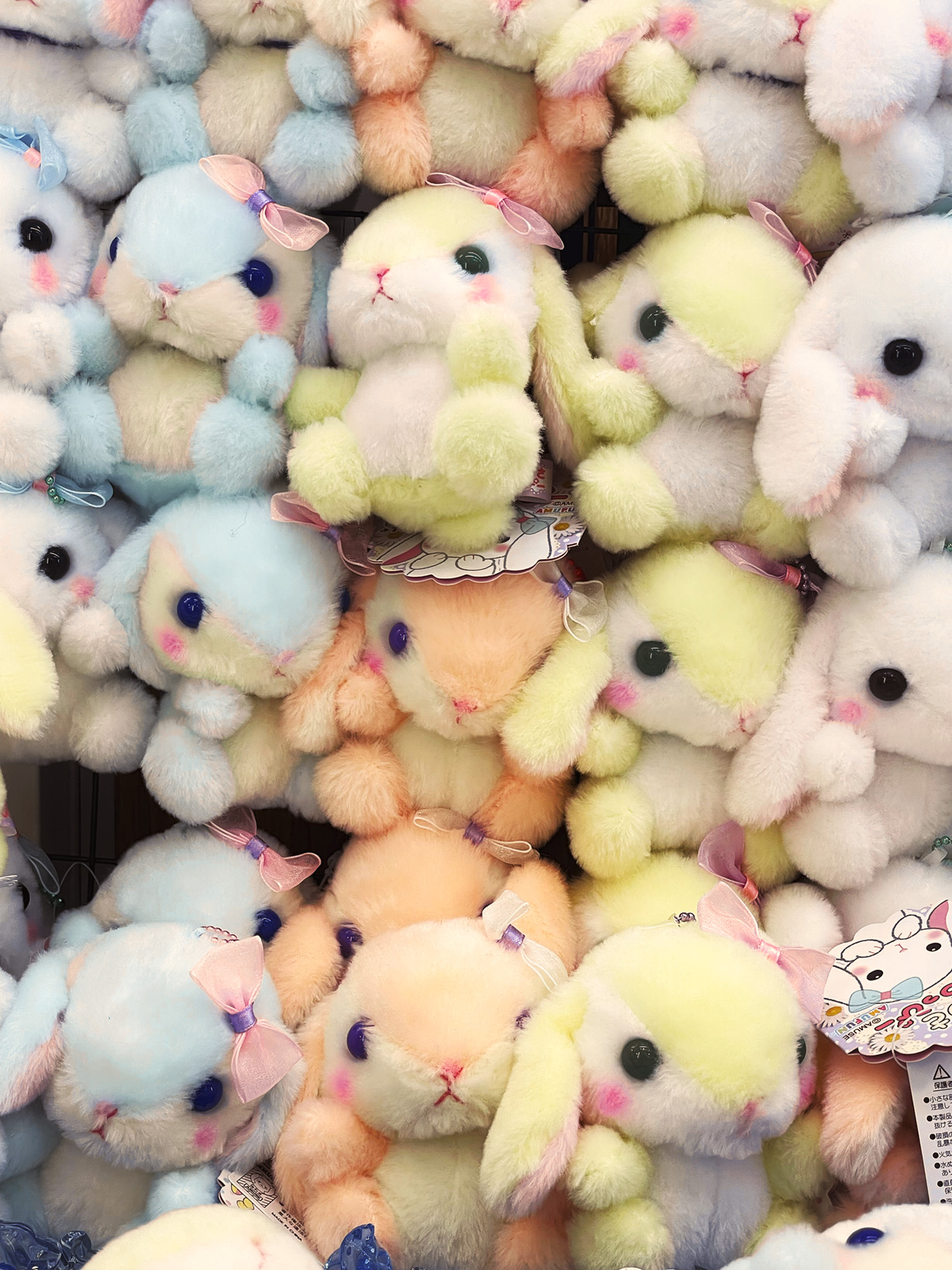 Emilie Pitoiset, Inemuri (present while sleeping) 07, 2023
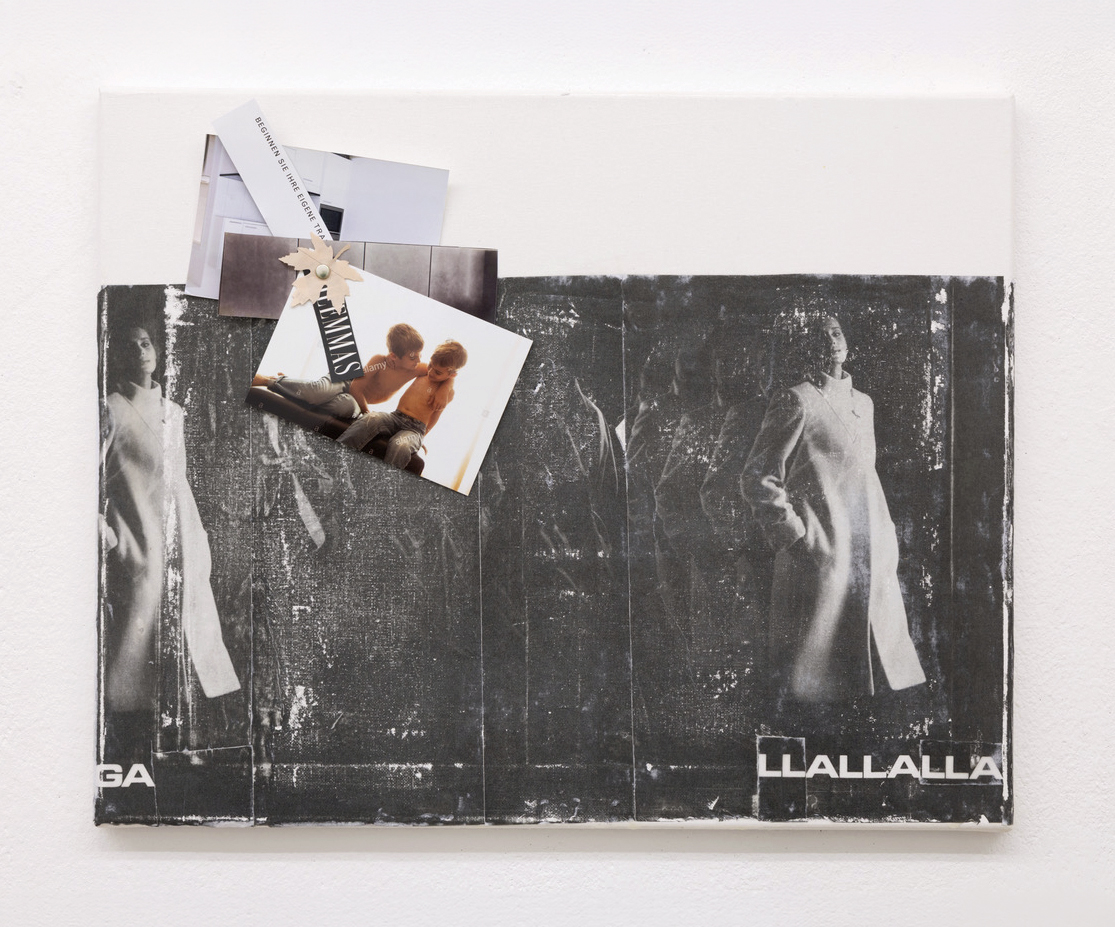 JiaJia Zhang, How To Spend It (Attention, Collapse, Affection, Control, Absence, Circulation, Anxiety, Consumption, Afterglow), 2025